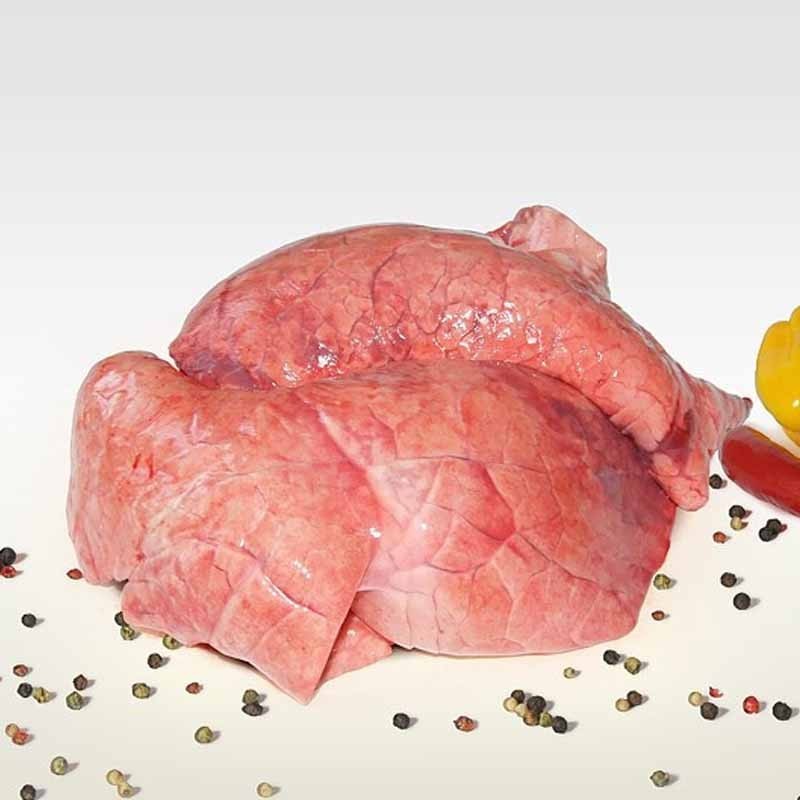
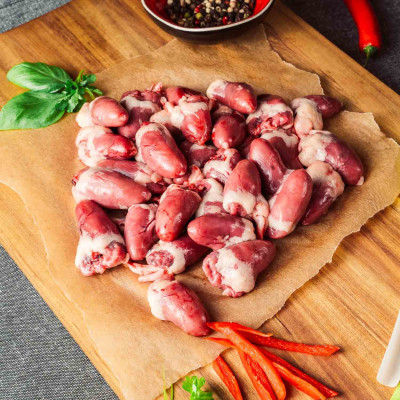
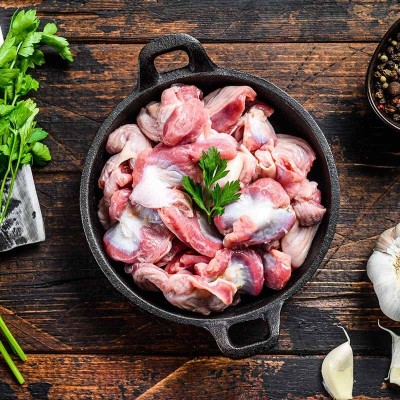
What are pig lungs?
Pig lungs are the respiratory organ of pigs, characterized by a light, porous structure and low fat content. They are rich in protein, iron, and B vitamins, making them ideal for cooking, stewing, and mincing for fillings.
✅ Low-fat protein source
✅ Excellent for tripe, sausages, and pâtés
✅ Light, porous structure, easy to cook and process
✅ Used in medical education as well
Nutritional Values
Pig lungs are rich in protein and iron, yet very low in calories, making them a light and dietary choice.
How many calories do pig lungs have?
In 100g of pig lungs there are:
- Calories: ~85 kcal
- Protein: 16 g
- Fats: 3 g
- Iron: 4 mg
- Vitamin B12: 6 µg
- Collagen: moderate amount
Health Properties
- Low-calorie and easily digestible – a great alternative to heavier meats
- Source of protein and iron – supports muscle building and red blood cell production
- Rich in vitamins B12 and B6 – essential for the nervous system and metabolism
- Easy to prepare and absorb spices – excellent in regional cuisine
🔬 Pig lungs in medical education
Due to their anatomical structure similar to the lungs of other mammals, pig lungs are widely used in:
- Anatomy and physiology classes – allowing for practical exploration of the respiratory system
- Ventilation and lung volume experiments – enabling demonstrations of the breathing mechanism
- Veterinary training sessions – helping future doctors learn lung diagnostics and pathology
👉 Tip: To preserve the lung structure for learning, store at a temperature of 0-4°C or frozen to -18°C.
Interesting facts about pig lungs
1️⃣ In German cuisine, pig lungs are the base of traditional "Sauer Lunge", which is stewed lungs in a vinegar and spice-based sauce.
2️⃣ In the past, lungs were used in royal cuisine to make delicate pâtés and fillings, as their light texture added a velvety quality to dishes.
Frequently Asked Questions
• How to prepare pig lungs for cooking?
First, they should be thoroughly rinsed, then cooked for 1-2 hours in salted water with spices.
• Are pig lungs healthy?
Yes! They are rich in protein and iron, with very low fat content, making them easy to digest.
• Can pig lungs be frozen?
Yes, it's best to freeze them in airtight packaging to maintain quality.
• What dishes are pig lungs best for?
They are great in tripe, pâtés, in offals goulash and sausages..
Recipe for pork lungs – Hungarian-style tripe
This is an aromatic version of classic tripe, wherepork lungs are stewed in a spicy tomato sauce with paprika and onion.
Preparation time: 20 minutes
Cooking time: 1.5 hours
Difficulty level: Medium
Ingredients:
- 500g pork lungs
- 1 onion
- 2 cloves of garlic
- 1 red bell pepper
- 1 cup of tomato passata
- 1 teaspoon of hot paprika
- 1 teaspoon of sweet paprika
- 1 tablespoon of marjoram
- Salt, pepper to taste
- 1 tablespoon of oil
Method:
- Rinse the pork lungs thoroughly and boil them in salted water for 1.5 hours until soft.
- After cooking, slice them into thin strips.
- Heat the oil in a pan and sauté the onion, garlic, and pepper until softened.
- Add the tomato passata, season with salt, pepper, paprika, and marjoram.
- Add the sliced lungs to the sauce and cook for another 15 minutes until the flavors blend.
- Serve hot, preferably with bread or mashed potatoes.
👉 Tip: For a more intense flavor, you can add a few drops of vinegar or Worcestershire sauce.
✨ Summary
Pork lungs are a light, protein-rich product used both in cooking and medical education. Thanks to theirtender texture and low calorie content, they are valued in traditional Polish and European recipes. If you want to try the true taste of offal, pork lungs are the perfect choice! 🫁🔥

 Polski
 Deutsch