Beef Tenderloin – The Most Delicate Cut for Steaks and Premium Dishes
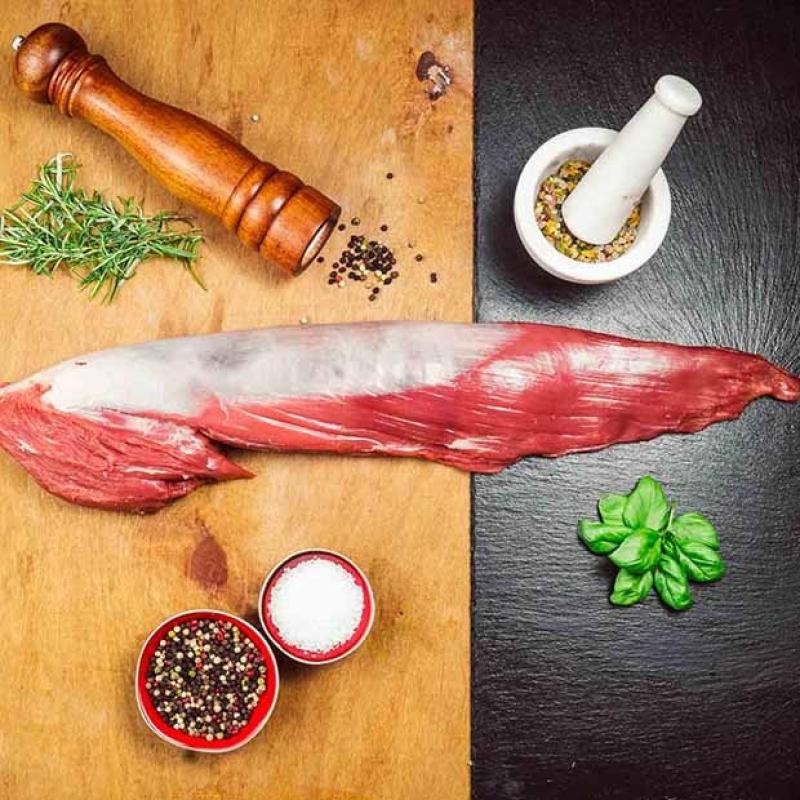
Beef tenderloin is the most delicate part of the carcass – the muscle that works the least, making it incredibly tender. It’s the choice for those who value subtlety and softness of meat more than intense marbling.
Ideal for quick frying, elegant dinners, and classic filet mignon steaks. It doesn't require long processing – the key is the right temperature and short frying.
Quick Product Choice
| Best For | steaks, carpaccio, tartare |
|---|
| Flavor | delicate, subtle |
|---|
| Texture | very soft, tender |
|---|
| Fat Content | very low |
|---|
| Preparation | quick frying, grilling |
|---|
| For Whom | for elegant dinners, for lovers of delicate meat |
|---|
| Not Best For | long braising and cooking |
|---|
Why Choose This Product?
The Most Tender Cut of Beef
Tenderloin is naturally soft and does not require long processing.
Ideal for Quick Dishes
Just a few minutes on the pan or grill.
Culinary Versatility
Suitable for both steaks and cold dishes.
Low Fat Content
A good choice for those looking for leaner beef.
Best Uses in the Kitchen
Beef tenderloin is best suited for quick and precise culinary techniques.
- filet mignon steaks
- carpaccio
- beef tartare
- pan or grill frying
It is not the best choice for stews or broth due to the lack of collagen and depth of flavor typical of these dishes.
Flavor, Texture, and Fat Content
Tenderloin has a very delicate flavor and exceptionally soft texture. It is lean, so it does not provide the juiciness of a ribeye but compensates with tenderness. The key is not to overcook it.
Nutritional Values and Natural Ingredients
Values are approximate and may vary depending on the batch of meat.
| Nutritional Value | Approx. per 100 g of raw product |
|---|
| Energy | approx. 120–150 kcal |
| Protein | approx. 20–22 g |
| Fat | approx. 3–6 g |
| Carbohydrates | 0 g |
| Naturally Occurring Ingredients | heme iron, zinc, vitamin B12 |
A good choice for those looking for a lean source of protein in their daily diet.
How to Prepare?
Tenderloin doesn't require complicated processing – precision and temperature control are key.
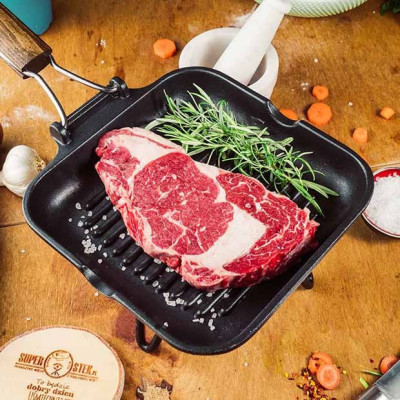
Steak Frying
- Take the meat out of the fridge 30–60 minutes beforehand.
- Pat dry and season with salt and pepper.
Fry on a very hot pan for 2–3 minutes on each side. Let rest for 5 minutes. Grilling
- Preheat the grill to a high temperature.
- Grill briefly on both sides.
- Do not pierce the meat to retain juiciness.
How much to order?
| Usage | Approximate amount |
|---|
| Steak | 150–200 g / person |
| Tartare | 120–150 g / person |
For a fancy dinner, consider a slightly larger portion due to the lack of fat.
How does it differ from similar products?
| Product | When to choose? | Main difference |
|---|
| Ribeye | for juicy steaks | more fatty and aromatic |
| Sirloin | for steaks and roasts | denser and more intense flavor |
Tenderloin is the choice when you care about tenderness, not fattiness.
Is it a good choice for children, diets, and specific needs?
For children
It can be part of a meal if well-prepared and finely chopped.
For active people
Naturally high in protein, making it a convenient part of the diet.
For keto and low-carb
Contains no carbohydrates but is leaner than other beef cuts.
For seniors
Its softness may make it easier to consume, especially in tender pieces.
Storage and packaging
Store in the refrigerator and consume before the expiration date. Can be frozen.
Thaw slowly in the refrigerator. If vacuum-packed, it may have a stronger smell upon opening – this is a natural occurrence.
Preparation idea: Filet mignon with butter
For: a fancy dinner
Time: 20 minutes
Amount of meat: 2 steaks
Ingredients
- beef tenderloin
- butter
- garlic
- salt, pepper
Preparation
- Fry the steaks on a very hot pan.
- Add butter and garlic towards the end of frying.
- Baste the meat with melted butter.
Tip: do not exceed medium doneness – the meat will remain juicy.
Frequently asked questions
Is tenderloin suitable for broth?
No – elements with bone and collagen are better suited.
Can it be frozen?
Yes, best if tightly packed.
How long to fry?
Usually 2–3 minutes per side depending on thickness.
Is it suitable for tartare?
Yes, it's one of the best choices.
Is it fatty?
No – it's a very lean piece.
Can it be baked?
Yes, but it requires temperature control to avoid drying out.

 Polski
 Deutsch



.webp)